How to Prepare Drywall for Painting: Finishing and Skim Coating Tips
When you want a smooth, professional paint job, the quality of your drywall finish makes a huge difference. Whether you’re updating a bedroom, planning a full interior repaint, or fixing repairs, handling drywall finishing and skim coating before painting is a step you don’t want to rush. Here’s what homeowners around New Smyrna Beach need to know to get it right.
Why is drywall finishing so important before painting?
Painting over unfinished or poorly finished drywall will highlight every seam, dent, and imperfection. Drywall finishing creates a smooth, uniform surface that makes paint look its best. Skim coating—applying a thin layer of joint compound over the whole surface—helps hide minor flaws, patches, and old texture, giving you a blank canvas for interior painting or interior repainting. Without proper finishing, even the best paint won’t hide uneven joints or rough spots.
What are the steps involved in drywall finishing?
Finishing drywall is a multi-step process. First, joints between drywall sheets are taped and covered with joint compound (called "mud"). This is done in layers, with each layer drying before the next is applied. The process usually goes like this:
- Taping: Paper or mesh tape is applied over seams and corners.
- First coat: Joint compound covers the tape and screw holes; this is smoothed as much as possible.
- Second and third coats: Additional thin coats are applied, feathering out wider each time to blend into the wall.
- Sanding: Once dry, the surface is sanded to remove ridges and bumps. Wear a mask—dust gets everywhere.
At this point, walls are ready for skim coating if needed.
When do you need to skim coat drywall?
Skim coating isn’t always necessary, but it’s the best solution for certain situations:
- Covering heavy textures you want to get rid of.
- Hiding multiple patches or repairs on a wall.
- Fixing walls with visible seams or unevenness after standard finishing.
- Getting a truly smooth, modern look in living spaces, bedrooms, or offices.
If you run your hand over the wall and feel dips, bumps, or rough spots, or if light casts shadows on imperfections, a skim coat will help. Many homeowners in New Smyrna Beach choose this step for older homes or after substantial drywall repairs. For more details, see our drywall finishing and skim coating service page.
How should you prepare for skim coating?
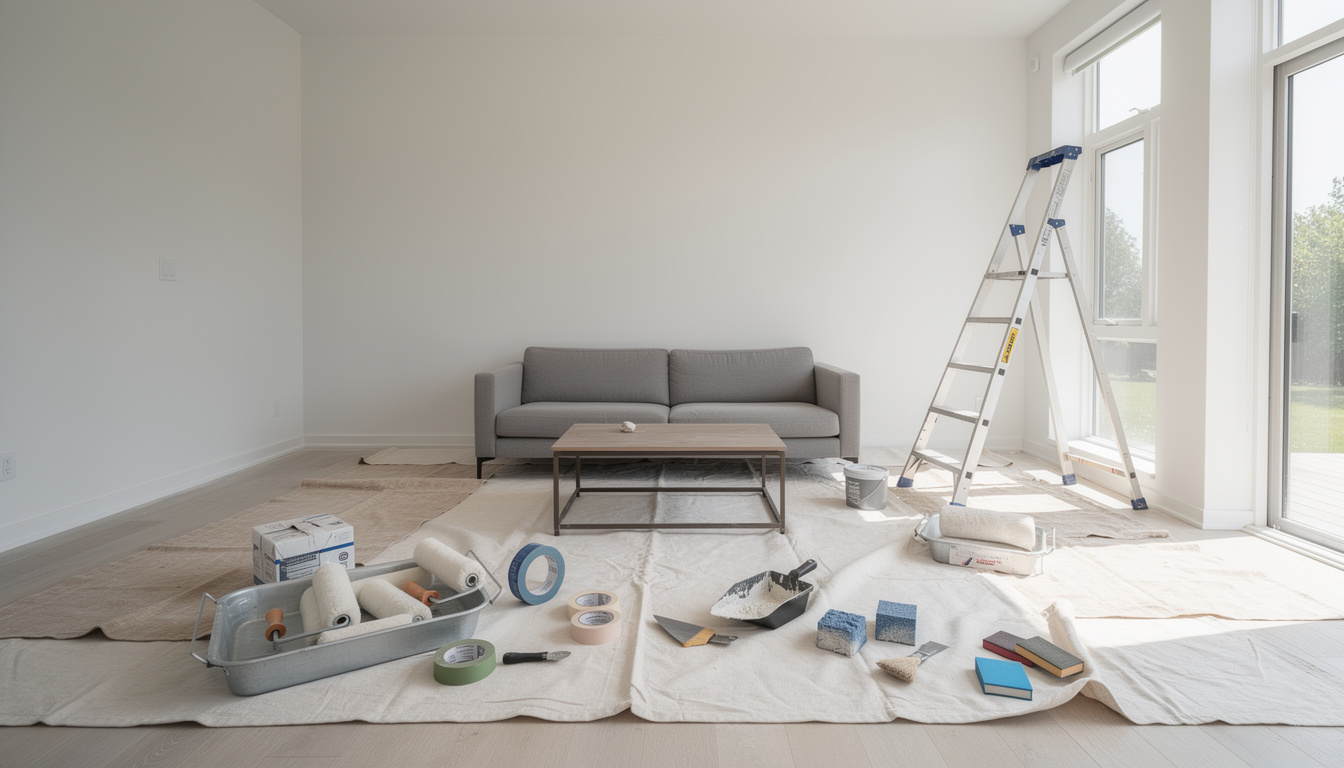
Preparation is just as important as the actual work. Start by removing all furniture and dust from the room. Cover floors and any remaining fixtures with drop cloths or plastic. Remove switch plates and outlet covers. Patch any big holes or cracks with joint compound, and sand down any rough patches. Skim coating is messy, so taping off doorways and vents can keep the dust contained.
If you’re tackling this as a DIY project, make sure you have the right tools: a wide drywall knife, mud pan, sanding pole, and plenty of joint compound. If you’d rather leave the mess and detail work to a pro, a local painting contractor can handle every phase—prep, finish, and cleanup—so you can focus on enjoying your refreshed space.
What’s the best way to apply a skim coat?
Skim coating is all about applying a thin, even layer of joint compound to the wall. Here’s a typical approach:
- Mix the joint compound to a creamy, spreadable consistency.
- Load your drywall knife and spread a thin layer over the surface, working in sections.
- Feather the edges so there are no raised lines or ridges.
- Let the first coat dry completely—usually overnight.
- Lightly sand any rough spots, then wipe away dust.
- Apply a second coat if needed for a perfectly smooth surface.
It takes patience—and a light touch with the sanding block. Once satisfied with the smoothness, the wall needs to be dust-free and primed before painting. The primer helps paint adhere evenly and prevents flashing or dull spots.
How do you know when the drywall is ready for paint?
After the final sanding and cleanup, run your hand across the wall. It should feel smooth everywhere, with no bumps, ridges, or rough spots. Shine a bright light at an angle on the surface; this will highlight any imperfections that need a touch-up. Once you’re happy, apply a quality primer to seal the surface and prepare for paint. Skipping primer is a common mistake—it can lead to uneven color and poor durability. After priming, you’re ready for your chosen paint color and finish.
What are common mistakes to avoid with drywall finishing?
- Skipping steps: Rushing through taping, mudding, or sanding can leave visible seams and ridges.
- Over-sanding: Sanding too much can damage the drywall paper or leave uneven patches.
- Not using primer: Paint applied directly to new joint compound can look patchy and absorb unevenly.
- Ignoring dust: Painting over dusty walls leads to poor adhesion and rough texture.
- Inadequate lighting: Dim lighting hides flaws until it’s too late—always inspect with good lighting.
Hiring a professional is the best way to avoid these pitfalls. An experienced crew will know how to deliver a flawless finish that lasts, whether you’re updating a rental, remodeling a home, or finishing new construction. Learn more about residential painting services available in our area.
Frequently Asked Questions
How long does drywall finishing and skim coating take?
Most rooms can be finished in a few days, depending on humidity and drying times between coats. Skim coating adds a day or two. Larger spaces or repairs can take longer, especially if several coats and extra sanding are needed.
Can I paint directly over old paint or wallpaper?
It’s not recommended to paint over wallpaper. Old paint can be painted over if it’s clean, sound, and not peeling, but any holes, cracks, or texture should be repaired first. Skim coating is a good option if the surface is uneven or damaged.
Do I need to remove all furniture for drywall finishing?
If possible, yes. Drywall sanding and skim coating create a lot of dust that can settle on everything. If furniture can’t be moved, cover it completely with plastic sheeting to protect it from dust and splatters.
What kind of primer should I use after finishing drywall?
Look for a high-quality drywall primer or "PVA" primer. These seal the new joint compound, prevent flashing, and ensure your topcoat looks even. Don’t skip this step—it makes a noticeable difference in the final result.
If you want your walls to look their best, proper drywall finishing and skim coating are essential before painting. Contact Color Crafters Painting for help with any stage of your project in New Smyrna Beach and the surrounding area. We’re here to make sure your next paint job starts with a perfect surface, and ends with a result you’ll love.
