
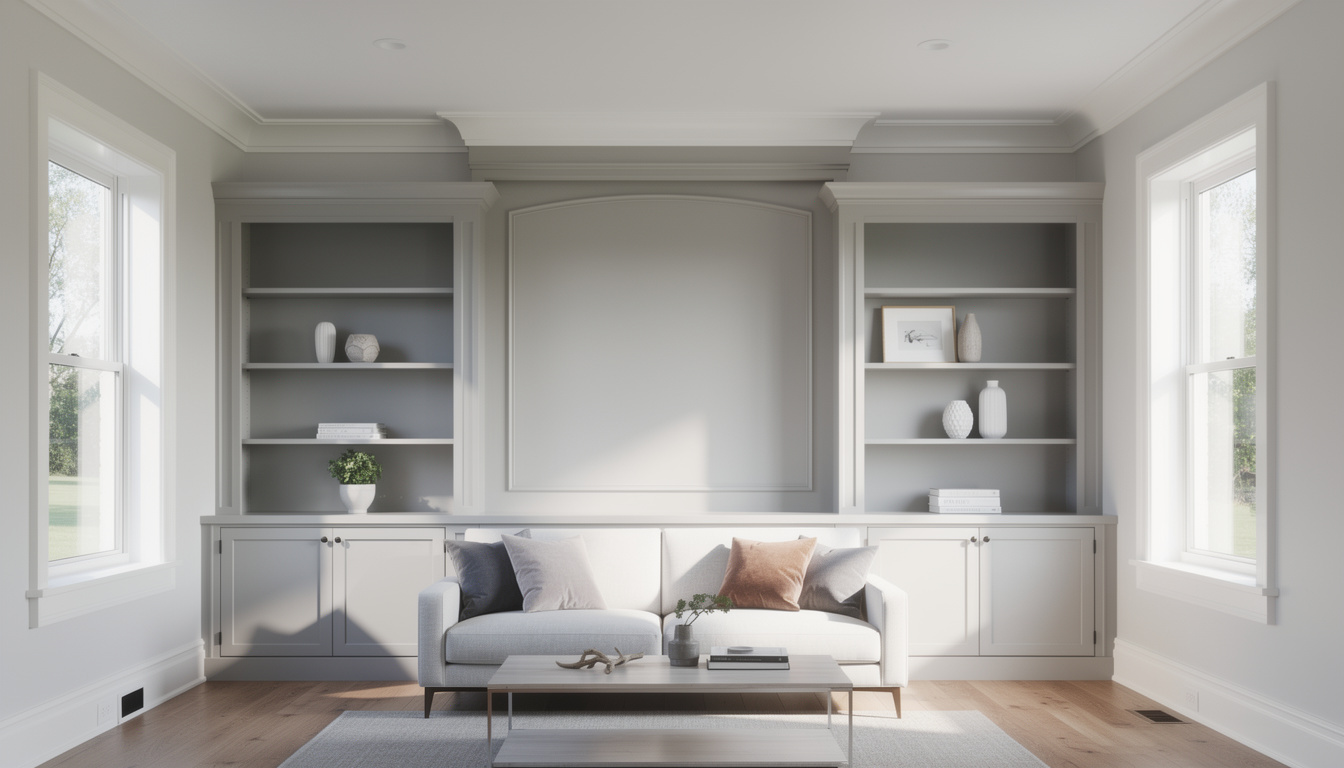
How to Paint Custom Woodwork Without Losing the Details
Custom woodwork—like crown molding, wainscoting, built-in bookshelves, or decorative millwork—brings character to any home. But painting these details can make even experienced DIYers nervous. If you use the wrong approach, thick coats or the wrong tools, you’ll lose crisp edges and those fine profiles that make custom woodwork special. Here’s how a pro approaches painting custom woodwork, so you can get a flawless, detailed finish—without any paint globs or brush marks hiding the craftsmanship.
What’s the risk if I paint custom woodwork the wrong way?
The biggest risk is filling in or blurring the crisp lines, grooves, and profiles that give custom woodwork its character. Too much paint, or paint applied carelessly, will build up in corners and details, making them look soft or muddy. If you use the wrong primer, you might also get peeling, especially on stained or oily woods. Using the wrong brush or roller can leave marks or even loose bristles in the paint. Once details are lost, there’s no real way to get them back without stripping and starting over. That’s why preparation and the right technique matter so much.
How should I prepare custom woodwork before painting?
Preparation makes all the difference. First, clean the woodwork thoroughly. Dust, oils, and old polish can keep paint from sticking. Use a mild degreaser or TSP substitute and a clean rag. After it’s dry, check for old paint drips, chips, or rough areas. Sand lightly with fine-grit sandpaper (180–220 grit) to smooth the surface and scuff any glossy areas. Be gentle—just enough to help the new paint grip, not enough to round over sharp details. Vacuum away dust, then wipe with a damp cloth. If the woodwork has knots or stains, spot-prime those areas, and always use a high-adhesion primer rated for wood. For stained or dark woods, a stain-blocking primer is smart. For more tips on prepping for a flawless finish, check out our interior trim painting page.
What tools and paint work best for detailed woodwork?
For fine details, choose high-quality angled sash brushes—usually 1.5" or 2" wide. These let you cut in neatly around profiles and edges. For larger flat areas, a small foam roller works well, but never force a roller into grooves. For a super-smooth finish (like on cabinetry or custom millwork), many pros use a sprayer. This delivers a thin, even coat without brush marks, ideal for intricate details. But sprayers need careful masking and practice. As for paint, use a trim or enamel paint designed for woodwork, which levels out better and resists wear. Water-based enamel is a good choice for most indoor projects, as it dries fast and is low-odor, but for high-traffic areas or kitchen cabinets, you might prefer a harder oil-based or hybrid enamel. Learn more about these finishes and our process at custom woodwork painting.
How do I actually paint without losing the details?
Technique is everything when it comes to keeping those details sharp. Here’s the step-by-step approach:
- Don’t overload your brush. Dip just the tip in paint and tap off the excess. You want enough paint to flow, but not so much it drips or pools in the details.
- Work in sections. Focus on one piece at a time—like a door panel, a length of crown, or a section of wainscoting.
- Paint details first. Start with grooves, corners, and profiles using the brush tip, feathering out any excess. Then move to the flat surfaces.
- Lay off the paint. After applying, gently run the tip of your brush along the surface to even out the paint and pick up any excess. This keeps the paint from building up.
- Thin coats are key. Two or three thin coats are better than one thick one. Let each coat dry fully before recoating.
If you’re using a sprayer, do a few test passes on cardboard first, and always mask off surrounding areas. If you’re new to spraying, consider hiring a pro for complicated or expensive woodwork.
Should I spray, brush, or roll my woodwork?
Each method has its place. Spraying gives the smoothest finish and is great for intricate millwork, doors, and cabinet faces—if you know how to use and mask with a sprayer. Brushing is best for getting into grooves and profiles, and it gives good control on smaller projects. Rolling works well for longer, flat runs like baseboards or wide trim, but only if you follow up by laying off with a brush to avoid roller texture. For the finest custom woodwork, a combination—brushing details and spraying or rolling larger areas—gives the best results. For more on the professional process, see our trim spraying service page.
How can I avoid brush marks or drips on detailed trim?
Brush marks come from thick paint, stiff brushes, or going back over partially dry paint. Use a high-quality synthetic brush, and don’t press too hard—let the bristles do the work. Thin the paint slightly if it feels thick (check the label for recommendations). Work quickly and keep a "wet edge"—don’t let the paint start to dry before your next pass. Always check for drips or sags, especially in corners, and catch them with a dry brush as you go. Sand lightly between coats with fine sandpaper (320 grit) for an ultra-smooth finish. If you notice marks or drips after drying, sand smooth and recoat.
Frequently Asked Questions
Do I need to strip old paint before repainting custom woodwork?
Not always. If the old paint is sound—no flaking, peeling, or heavy texture—you can usually sand it lightly, clean thoroughly, and prime as needed before repainting. If there’s multiple old, thick coats that hide details, stripping back to bare wood may be best.
Can I use wall paint on my woodwork?
Wall paint isn’t ideal for woodwork. Trim and enamel paints are formulated to level out and resist wear, cleaning, and impacts. Wall paint will look dull, mark more easily, and can hide fine details. Always use a paint made for trim or woodwork.
How long should I wait between coats?
Follow the paint manufacturer’s instructions, but in most cases, allow at least 2–4 hours between coats for water-based paints, and longer for oil-based. Humidity in New Smyrna Beach can slow drying, so err on the side of caution.
Will painting affect the woodwork’s natural grain?
Painting will hide the natural grain, but it won’t affect the profiles or details if you use thin coats and proper technique. If you want to highlight the wood grain, consider a stain or clear finish instead of paint.
If you want flawless results on your home’s custom woodwork in New Smyrna Beach or the surrounding area, consider bringing in experienced pros who know how to protect every bit of craftsmanship. Contact Color Crafters Painting and let’s talk about your next project.
