
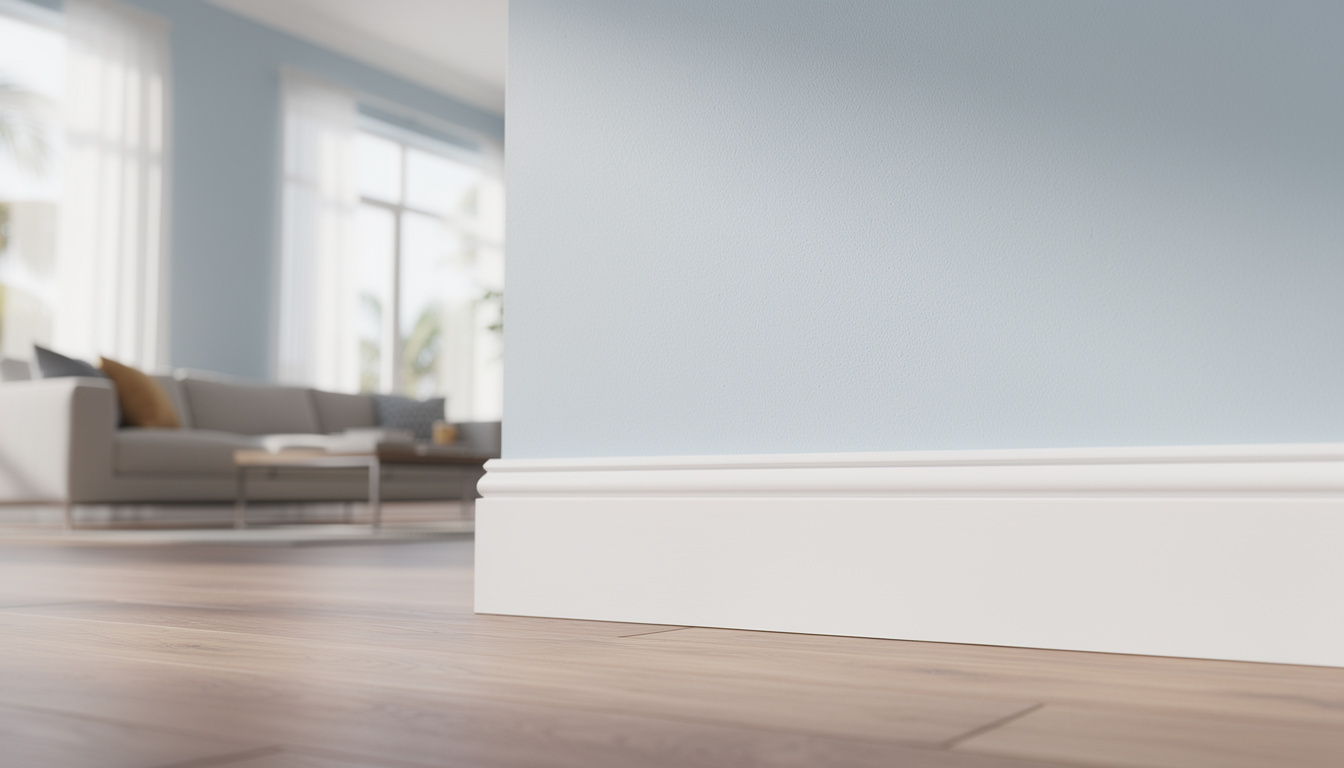
Should You Repair or Repaint Baseboards and Crown Molding?
If you have baseboards or crown molding that look a bit worse for wear, you might wonder if it’s time to repair the wood or just repaint it. In homes around New Smyrna Beach, humidity, daily activity, and just the passage of time can take a toll on trim work. Let’s dive into what to look for and how to decide whether repair or a fresh coat of paint is the right move.
How do I know if my baseboards or crown molding need repair?
Start with a close inspection. Look for cracks, dents, chips, or areas where the wood seems soft or spongy—especially near floors or ceilings in humid rooms like bathrooms and kitchens. Water stains, swelling, and peeling paint are all signs that there might be hidden damage underneath. If you poke the wood lightly with a screwdriver and it gives way, that’s a definite sign of rot or significant damage that needs to be fixed before you even think about painting.
When is repainting enough for trim work?
If your trim is structurally sound—no soft spots, no deep gouges or missing chunks—repainting is usually all you need. Minor dings, scuffs, and faded or yellowed paint are all good candidates for a straightforward repaint. A pro can sand smooth minor imperfections, fill small nail holes, and apply a fresh, durable finish. For most homes, especially those with kids or pets, repainting every few years keeps your baseboards and crown molding looking sharp. For more details on refreshing your home’s trim, see our interior trim painting page.
What kinds of problems require more than just paint?
There are a few situations where you’ll want more than just a new coat of paint. If you have:
- Cracks that keep coming back after painting—usually a sign of movement or gaps that need repair.
- Peeling paint with wood that feels damp or crumbly underneath—likely water damage or rot.
- Deep gouges, missing pieces, or split sections—these need to be filled, patched, or replaced before painting.
- Mold or mildew stains—these need to be cleaned and the source of moisture addressed before painting.
Trying to paint over these issues may look okay for a few weeks, but problems will come right back (or worse, get hidden and turn into bigger repairs down the road).
What repair options are available before painting?
For minor dents and holes, spackle or wood filler followed by sanding usually does the trick. If there’s a small section of rot or major damage, a piece of trim can be replaced without redoing the whole room. Gaps between the wall and trim are filled with a flexible caulk so they don’t crack as the house settles. For water damage, it’s important to solve the source of the leak or moisture first, then replace any affected wood. Once repairs are done, thorough sanding and priming are key to a smooth, long-lasting paint job. If you’re dealing with multiple trim elements in your home, check out our crown molding painting or baseboard painting services for more info on what’s involved.
Can I repair and repaint trim myself, or should I call a pro?
Touching up scuffs or repainting a few feet of baseboard is usually a manageable DIY project if you’re handy. But repairs involving rot, water damage, or sections that need replacing are best left to pros with the right tools and experience. Professional painters know how to prep surfaces so paint adheres well and lasts, and they’ll spot hidden issues you might miss. In New Smyrna Beach, where humidity and salt air can cause subtle problems, a pro eye can save you money in the long run by avoiding repeat repairs.
How do I keep baseboards and crown molding in good shape after painting?
Once your trim is repaired and painted, regular cleaning keeps it looking its best. Wipe down baseboards and molding with a damp cloth every few weeks to prevent dust and grime from building up. In bathrooms and kitchens, check for moisture issues periodically and address any leaks or condensation quickly. And if you see paint starting to crack or chip, tackling it early prevents bigger problems later.
Frequently Asked Questions
How do I choose the right paint for baseboards and crown molding?
Semi-gloss or high-gloss paints are best for trim since they’re easier to clean and more resistant to scuffs. Oil-based paints used to be the standard, but today’s water-based acrylics offer great durability and are easier to work with and clean up.
Is it better to spray or brush paint trim?
Spraying gives a super-smooth, factory-like finish, but it’s best for uninstalled or isolated trim to avoid overspray. Brushing or rolling is more common for installed trim, especially in lived-in spaces. Pros sometimes combine the techniques for the best results.
Can you paint over stained wood trim?
Yes, but it requires thorough cleaning, sanding, and a quality primer to get the paint to stick and prevent the stain from bleeding through. Skipping prep leads to peeling or discolored paint.
How long does painted trim usually last?
With proper prep and quality paint, interior trim can look great for five to ten years. High-traffic areas or homes with pets and kids might need touch-ups sooner.
If your baseboards or crown molding are looking tired, Color Crafters Painting is here to help. Whether you need careful repairs, a flawless repaint, or advice on how to keep your trim in top shape, our team serves homeowners and businesses throughout New Smyrna Beach. Get in touch today to schedule an estimate or learn more about what we can do for your home.
